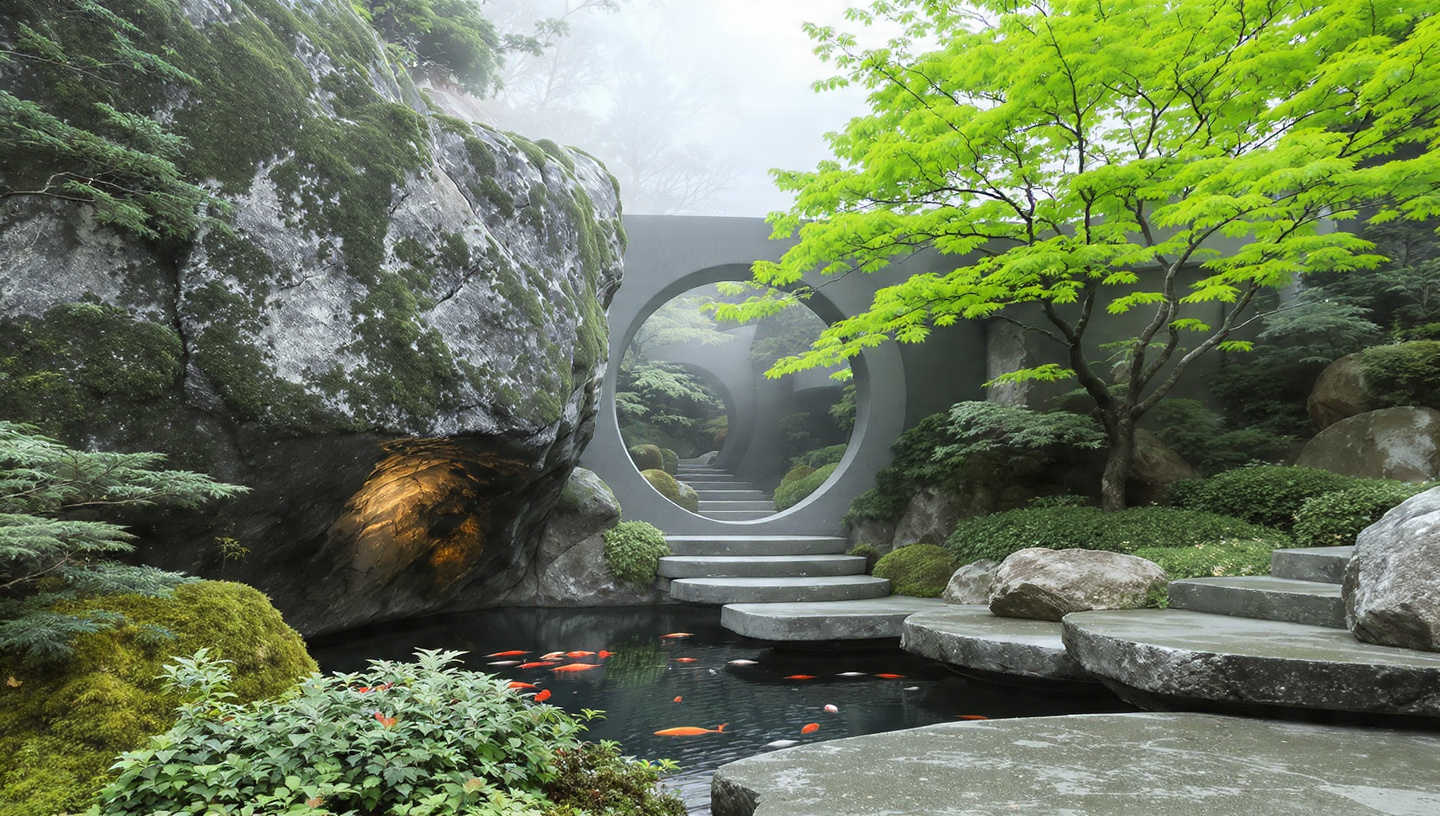
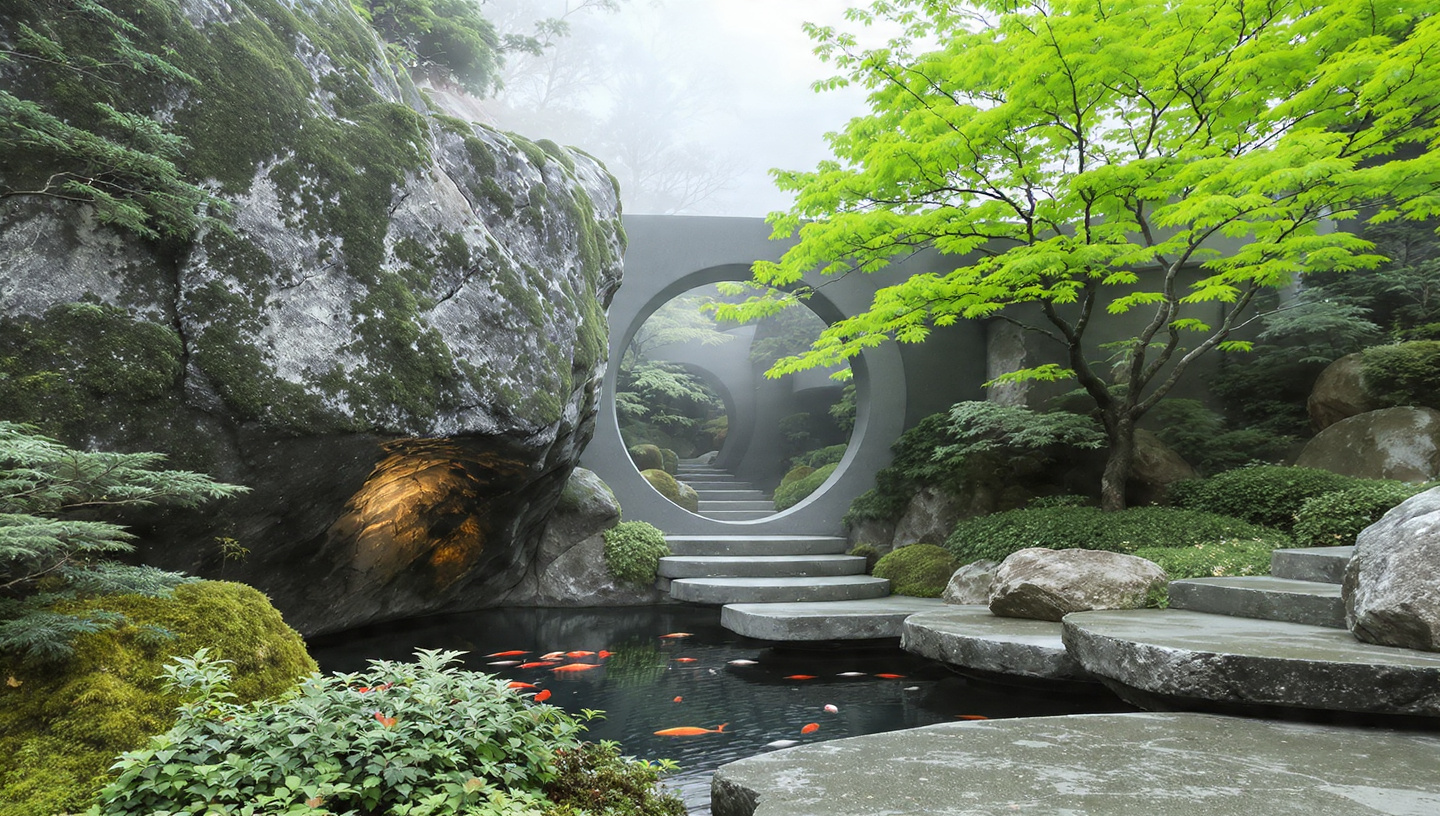
What Is Garden Feng Shui?
Garden Feng Shui is more than just a design philosophy; it's an ancient Chinese art form centered on harmonizing your outdoor space with the natural world. Originating over 3,000 years ago, Feng Shui is founded on the principle of 'Qi' (pronounced 'chee'), which refers to the life force or energy that flows through all things. By skillfully arranging elements like plants, water features, and stones, Garden Feng Shui aims to balance this energy, creating a sanctuary that not only looks appealing but also feels energetically aligned.
The benefits
The benefits of Garden Feng Shui go beyond aesthetics. A well-balanced garden can serve as a tranquil retreat, improve your well-being, and even attract positive energies into your life. Whether it's through the strategic placement of a water feature to foster prosperity or the use of specific plants to enhance health, each choice is deliberate and rooted in centuries of tradition and expertise.
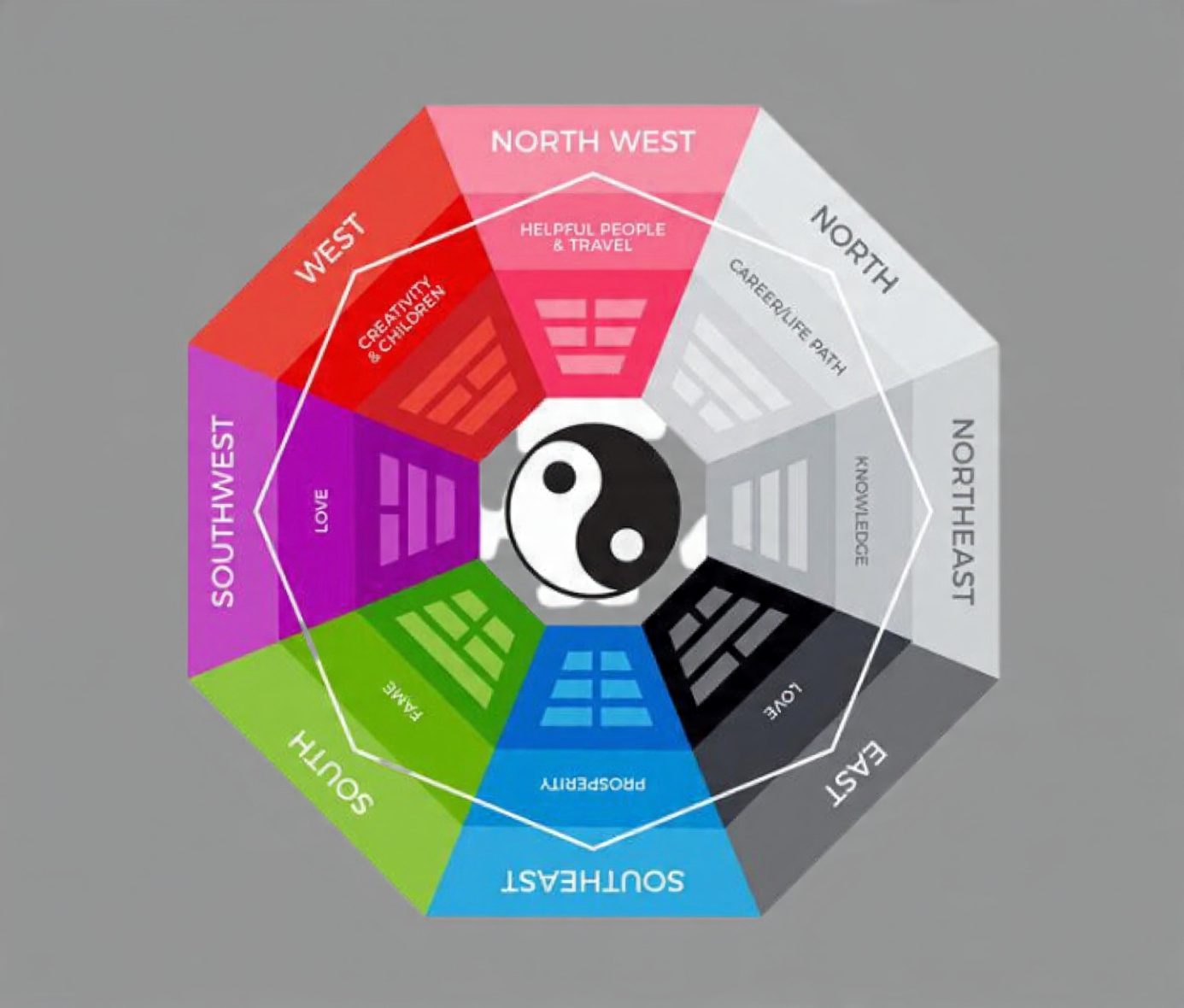
Core Principles
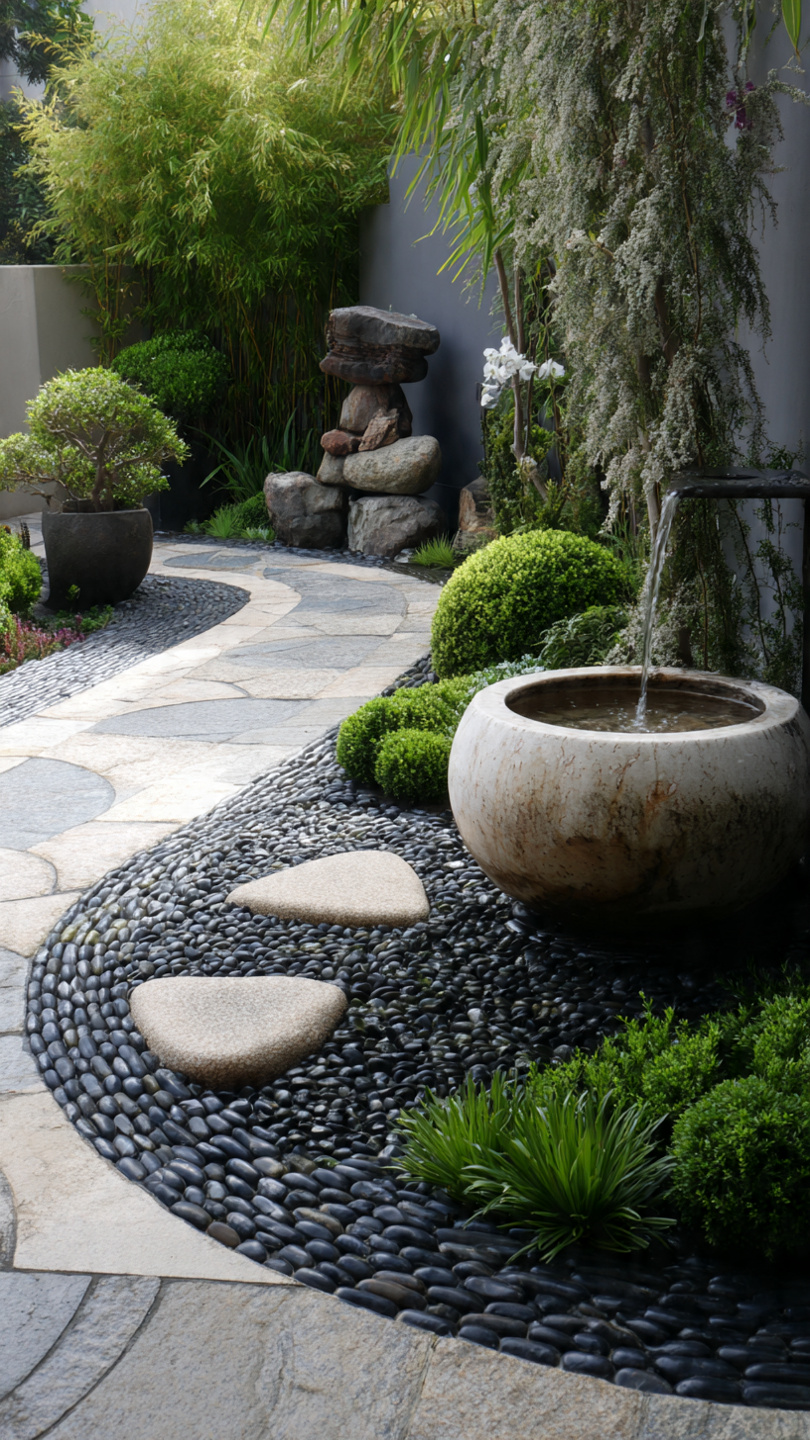
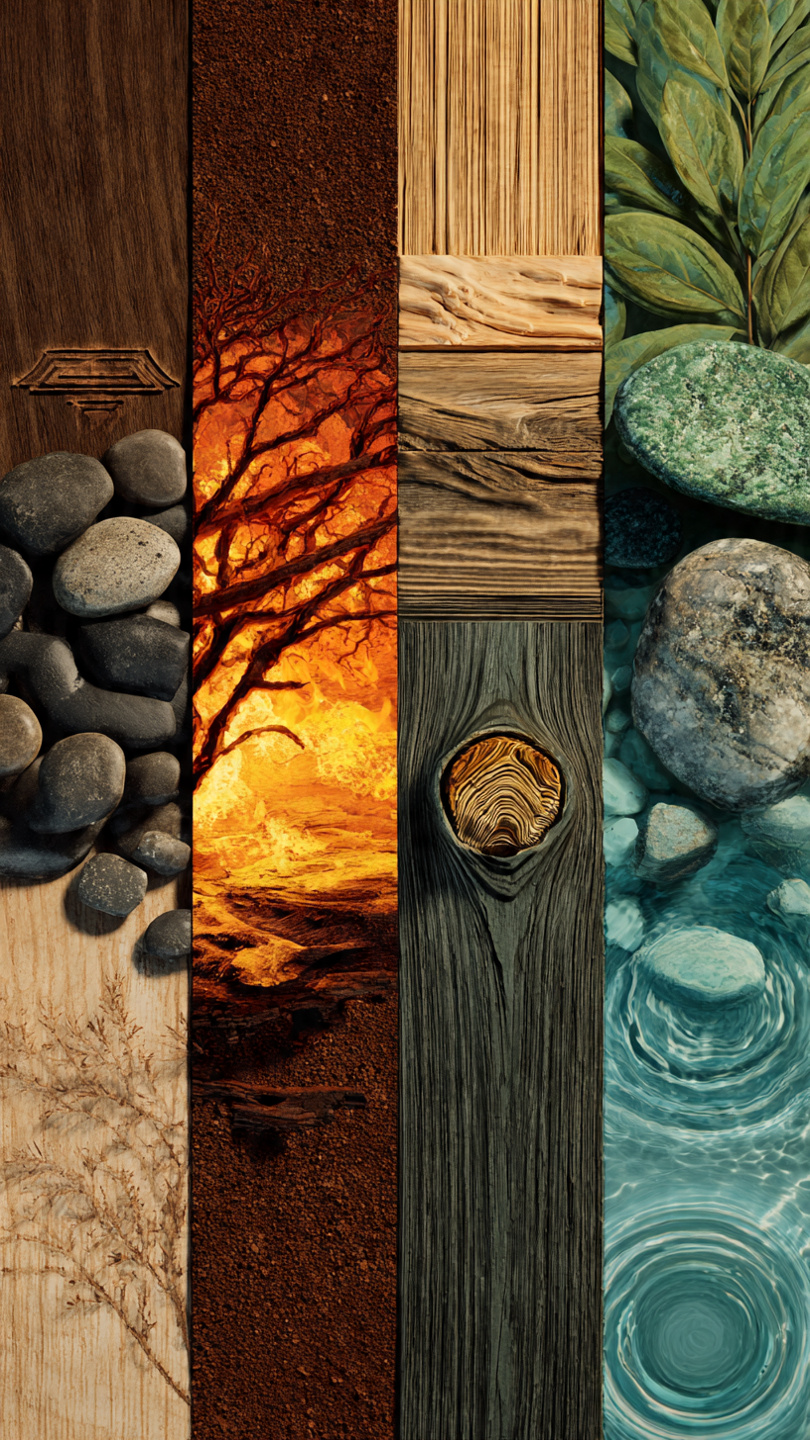
Balance
Achieving harmony between yin and yang elements creates a sense of equilibrium.
Energy
Guiding positive chi (energy) flow through strategic placement of paths and plants.
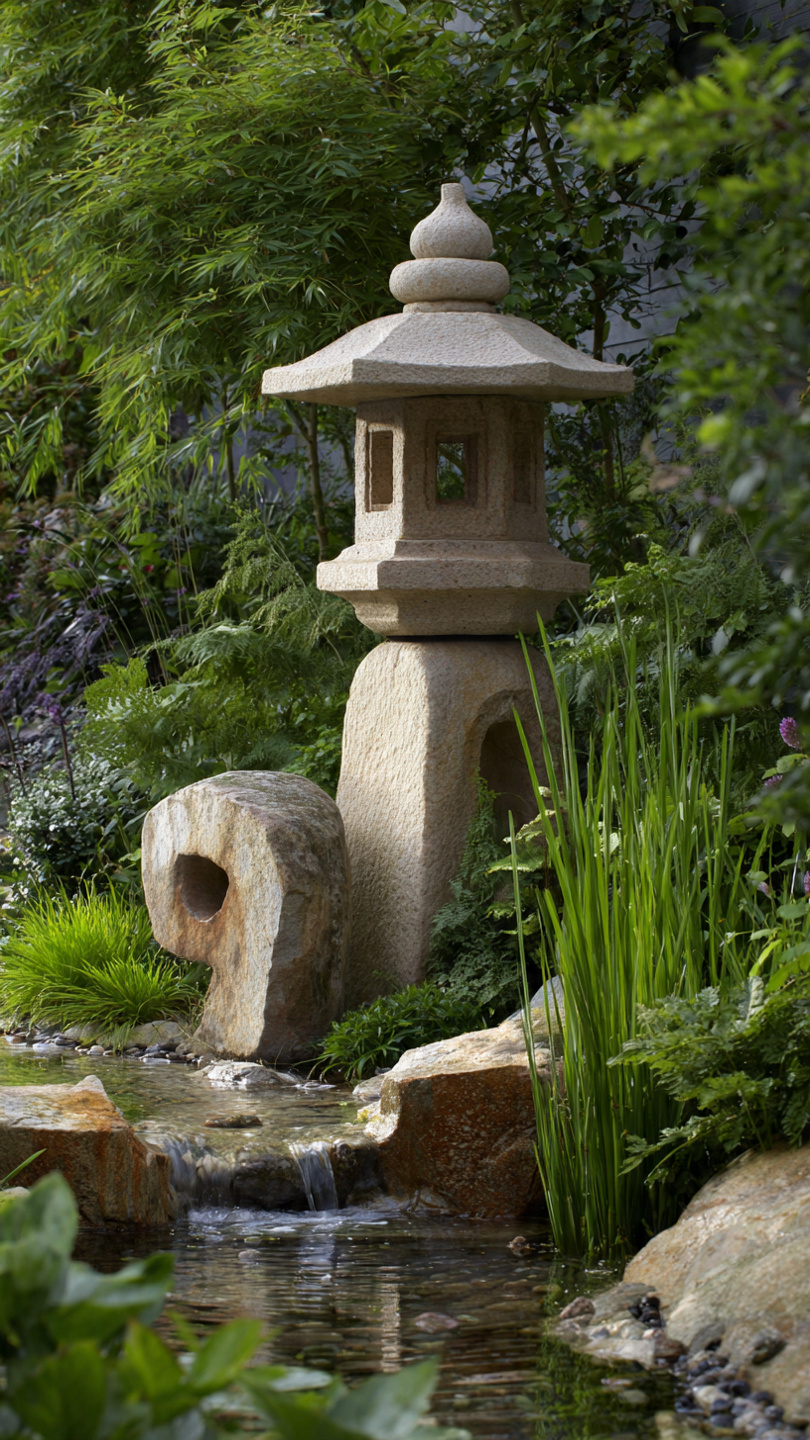
Nature
Honoring the connection to the natural world through organic shapes and materials.
The Five Elements
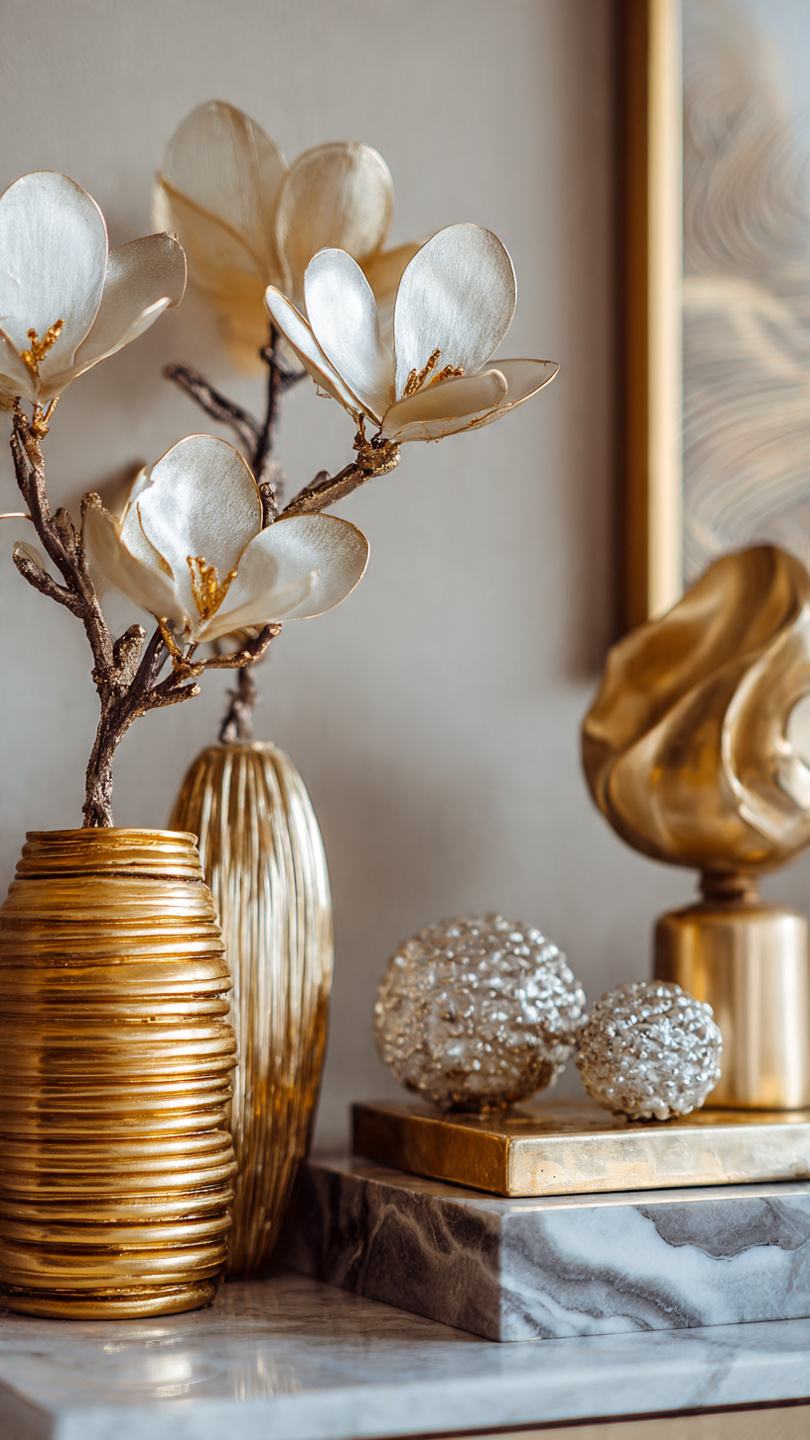
Metal
Characteristics: Items like metallic sculptures, coins, or metallic decor items are typical representations. In terms of color, Metal corresponds to metallic shades and pastels like gold, silver, and white.
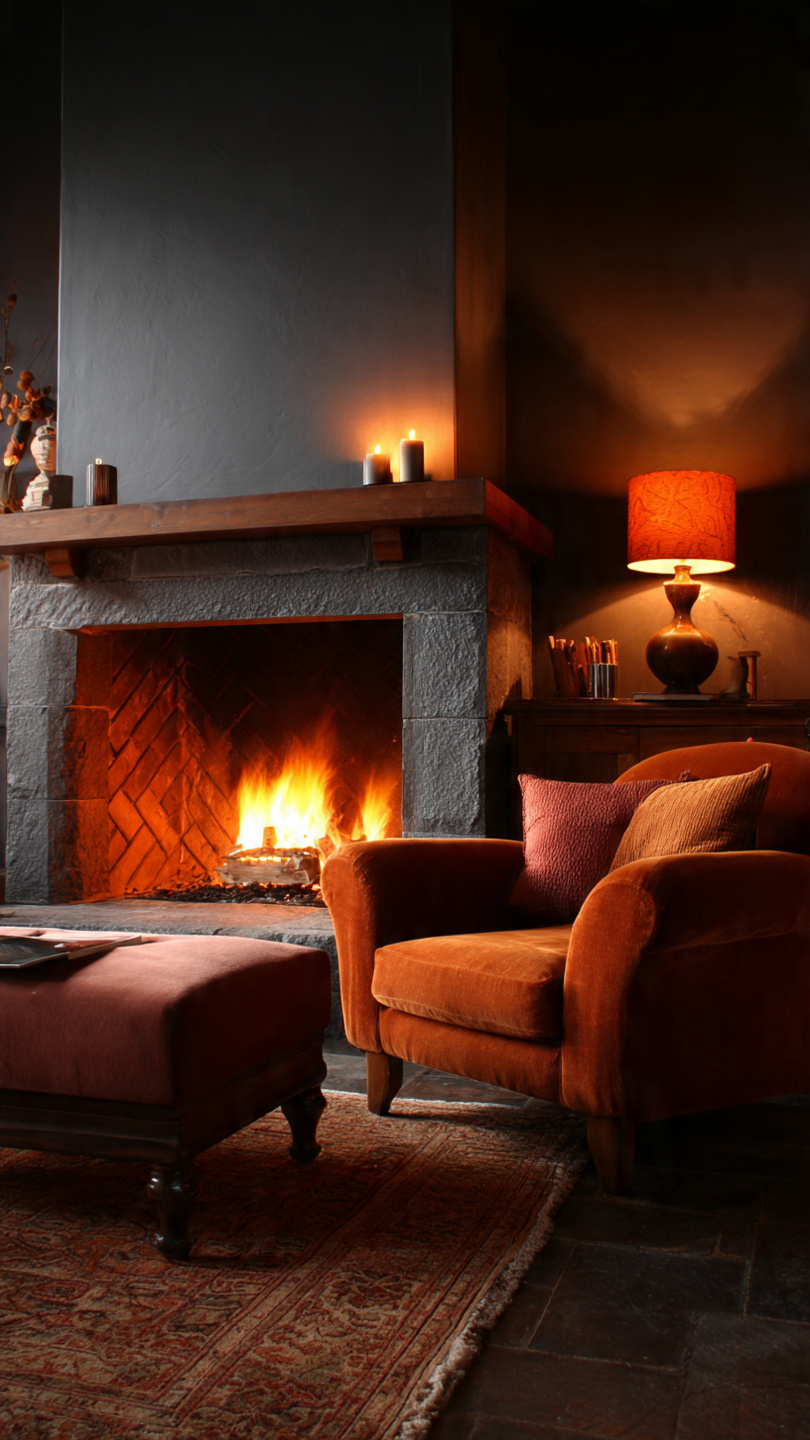
Fire
Characteristics: Candles, fireplaces, and warm-hued objects signify the Fire element. Warm colors like red, orange, and pink are also tied to this element.
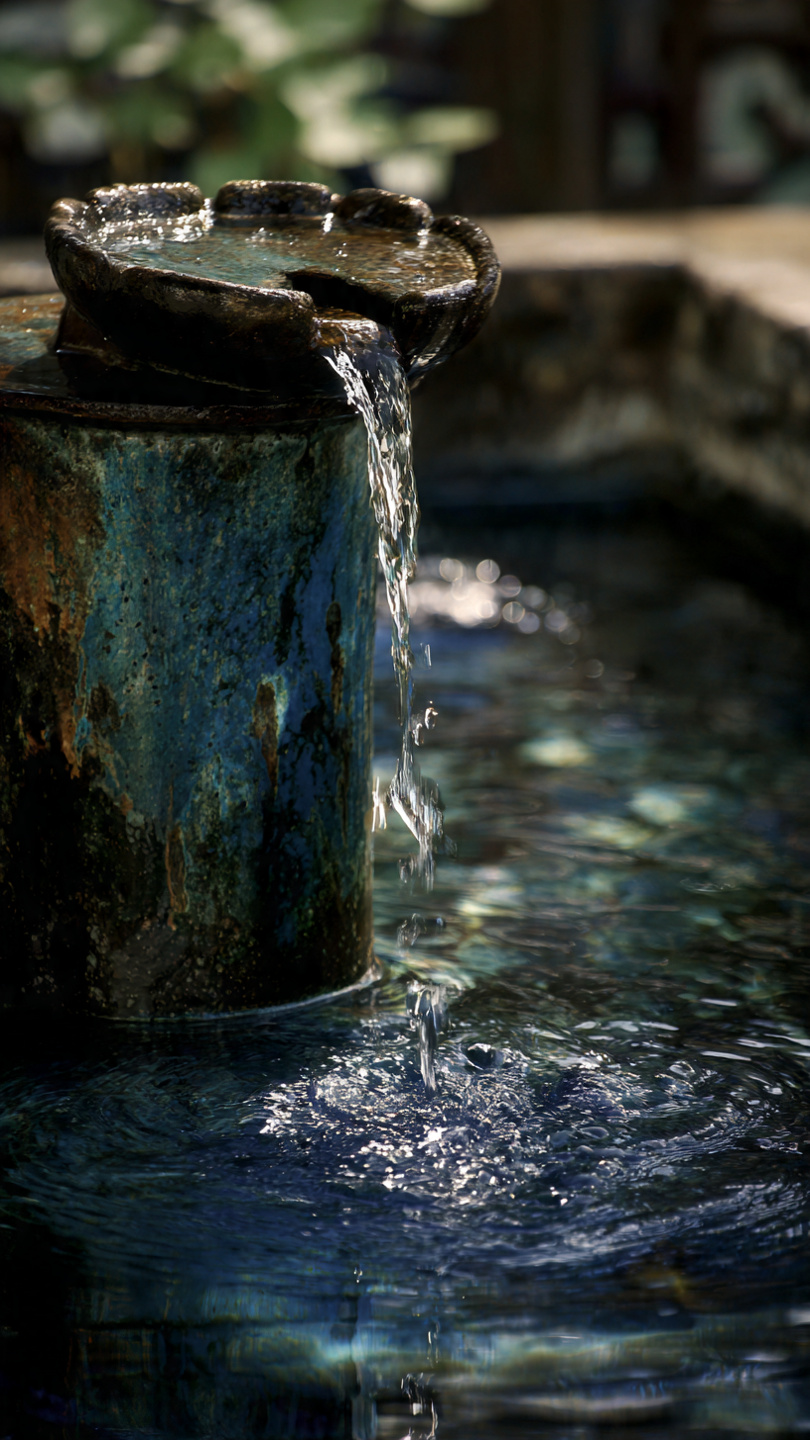
Water
Characteristics: Fountains, mirrors, and free-flowing forms represent the Water element. It is often tied to the colors blue and black.
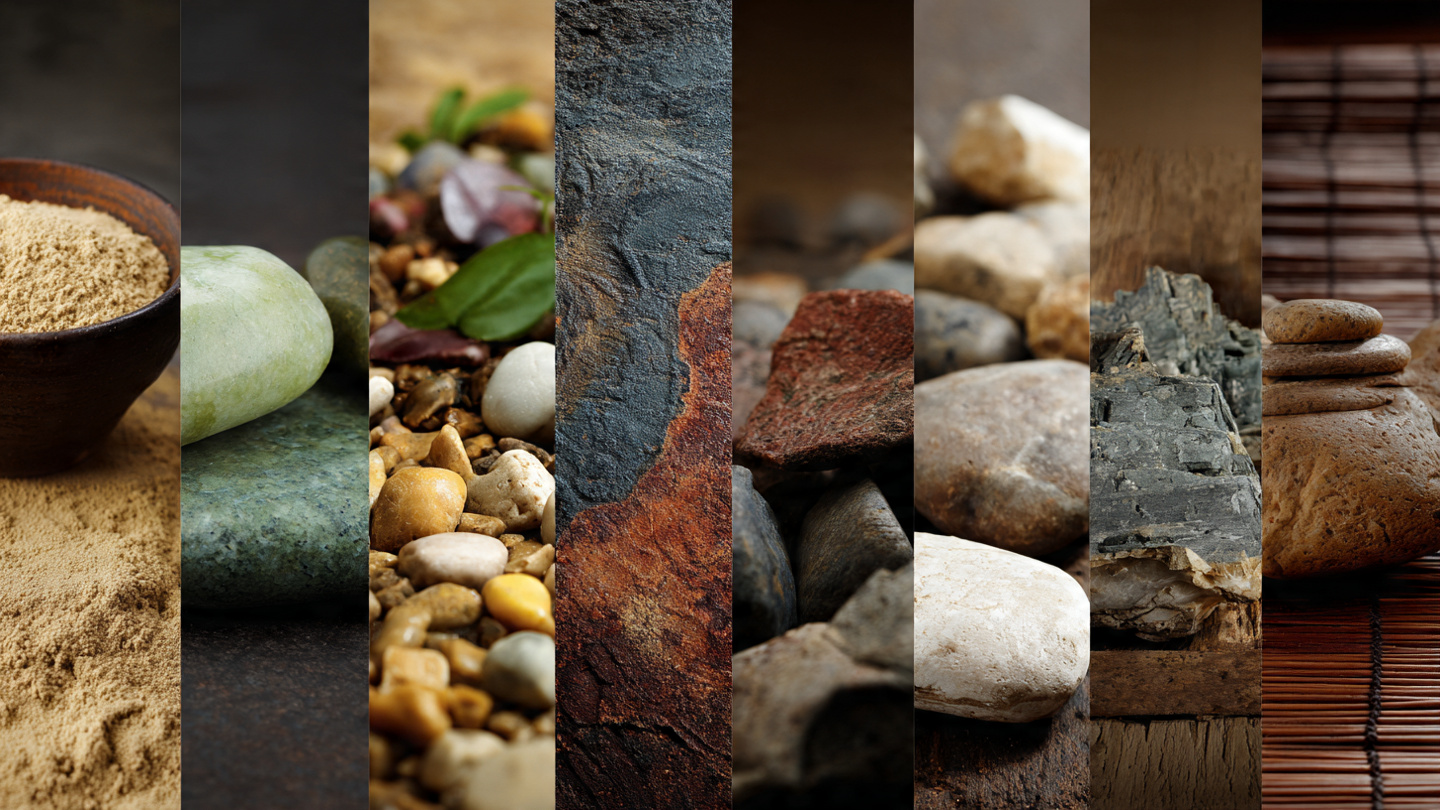
Earth
Characteristics: Stones, ceramics, and landscapes symbolize the Earth element. It's often represented in earthy tones like brown, beige, and yellow.
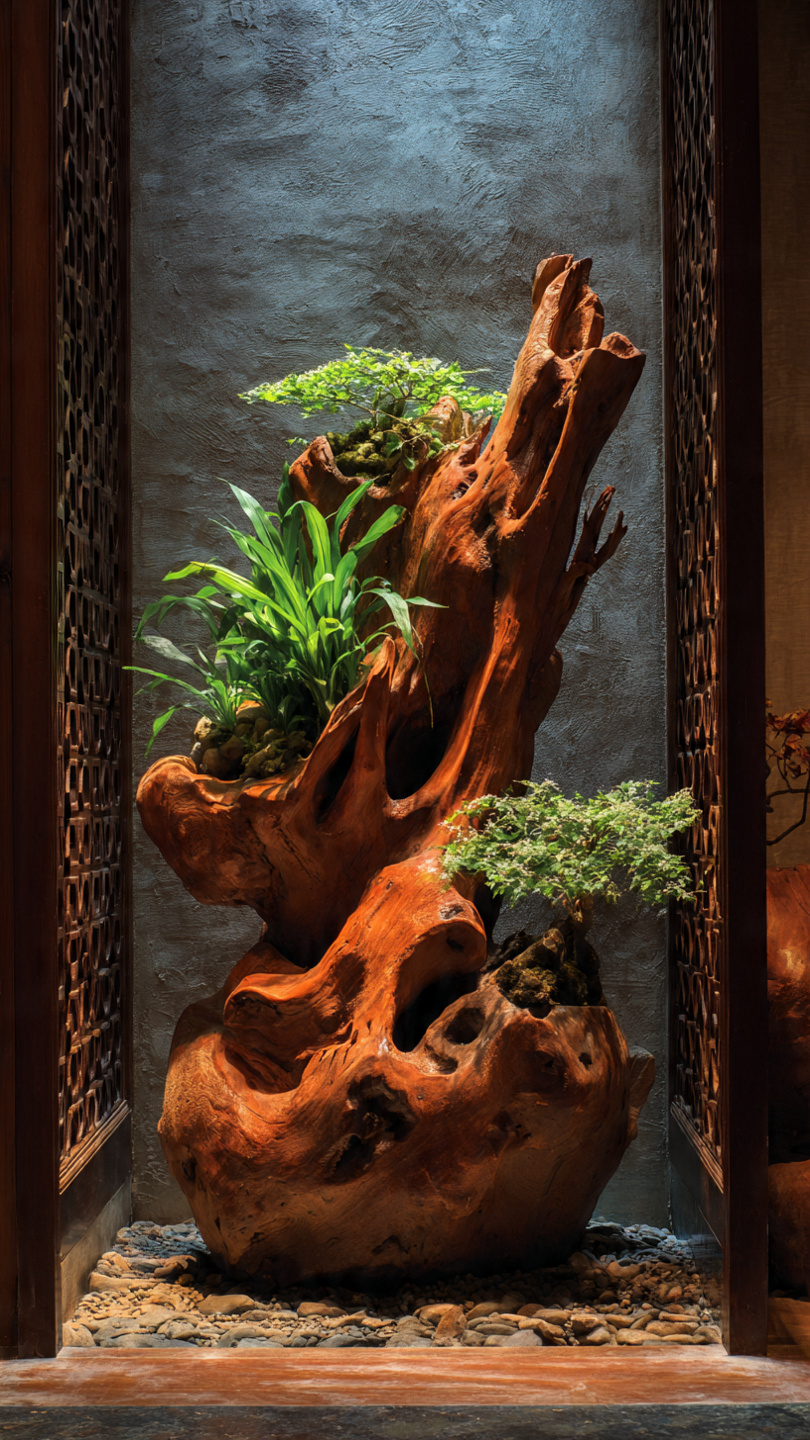
Wood
Characteristics: Represented by plants, trees, and wooden objects, Wood symbolizes growth and vitality. In color psychology, it corresponds to shades of green and brown.